POST-INDUSTRIALISM / BRICKWORK PARK MILDENBERG


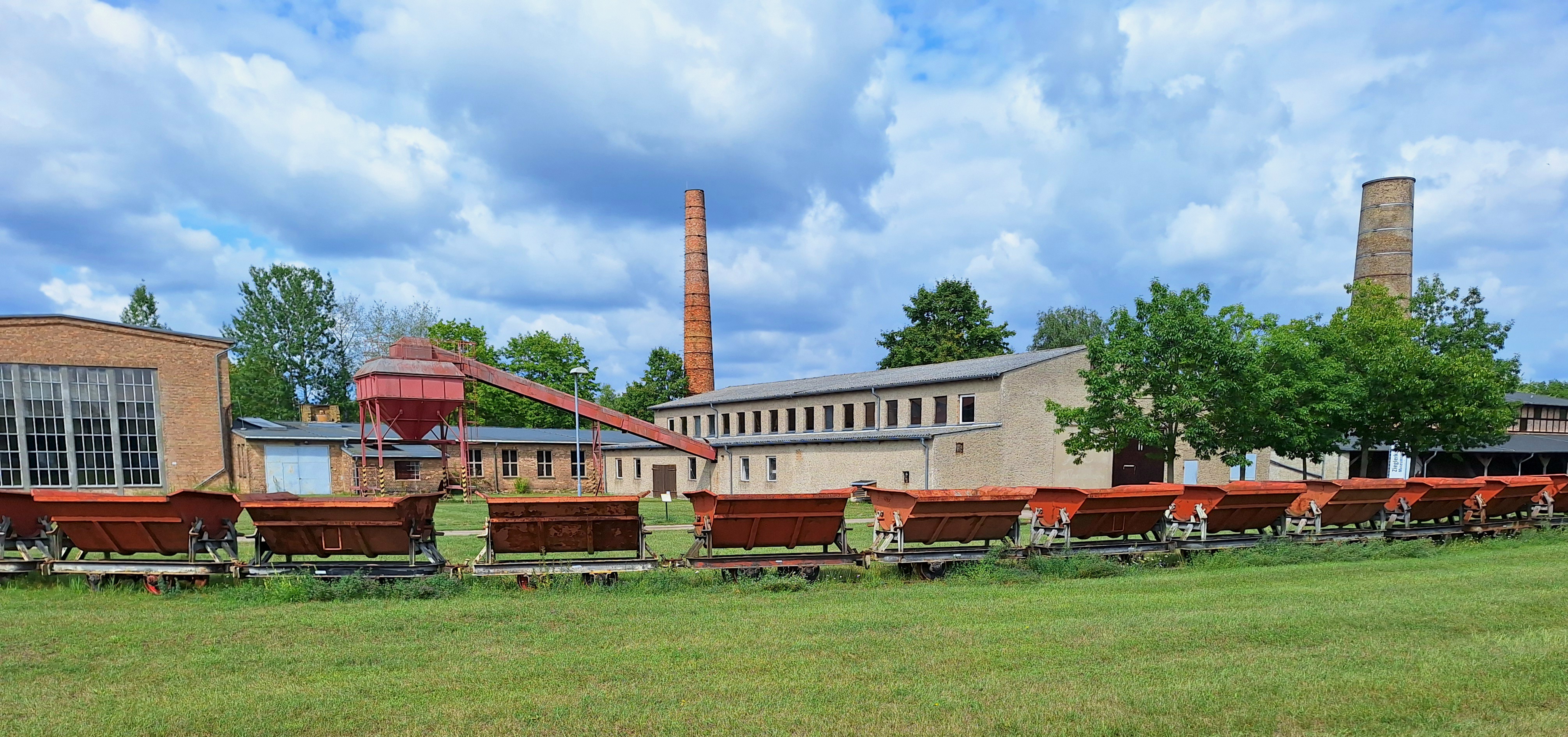
The Mildenberg Brickworks Park was once the largest brickworks in all Europe. Today it is an industrial museum and a popular excursion destination. Museum harbour, ring kilns, workshops and machine halls, everything can be visited. The site is in fact very large – so if you don’t want to walk around all the diverse stations, you can use optionally the free light railway..

Technology of early 20th century: a typical ring kiln

Miiildenberg Brickworks Park is located around an hour north of Berlin in the middle of the Zehdenick clay pit landscape. Brick production in the area dates back to 1887, when rich deposits of clay were discovered during the construction of the Löwenberg-Templin railway line.

The former industrial harbour with old barge and crane

Hence, at the beginning of the 20th century the huge bricksworks area was created near Mildenberg within a rather short period of time. The development was favoured by the fact that the clay quarries were located in the immediate vicinity of the Havel and thus offered favourable transport options by barge. Berlin, which was expanding rapidly due to immigration, had an enormous demand for building materials, which could now be met. The production peaked in 1910 at 625 million bricks a year, fired in 57 Hoffmann ring kilns. 
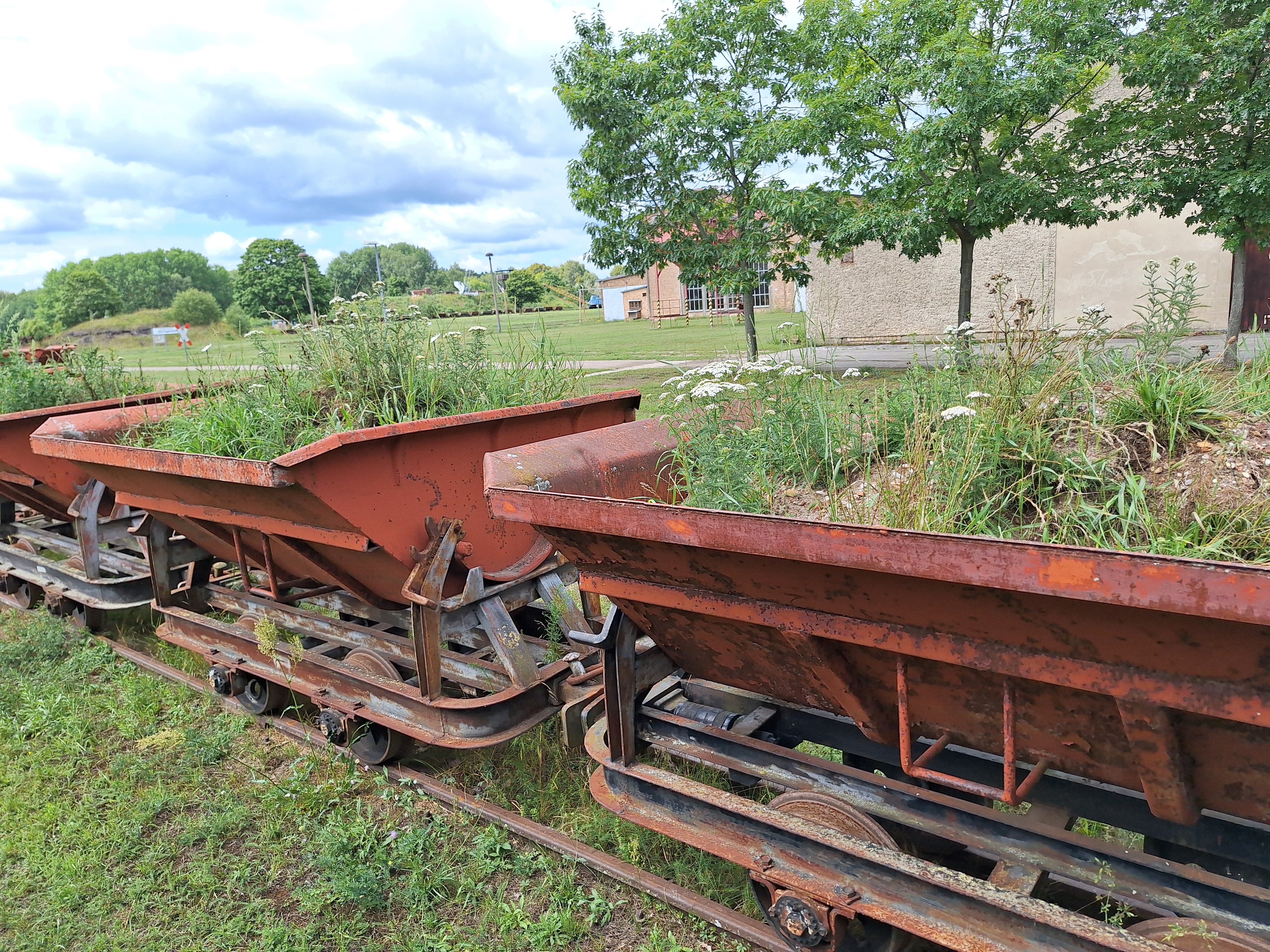
One of the many former clay pits being now beautiful lakes

Afrer 1945, the brick industry in the then Soviet occupation zone developed very well again. Reconstruction after the 2nd World War again required masses of building materials. In the GDR, the area around Mildenberg was the largest, now state-owned, manufacturer of bricks and roof tiles, until the introduction of prefabricated construction technology in the 1960s led to a renewed decline in importance. After reunification in 1991, operations were discontinued as investors saw no longer a future here.
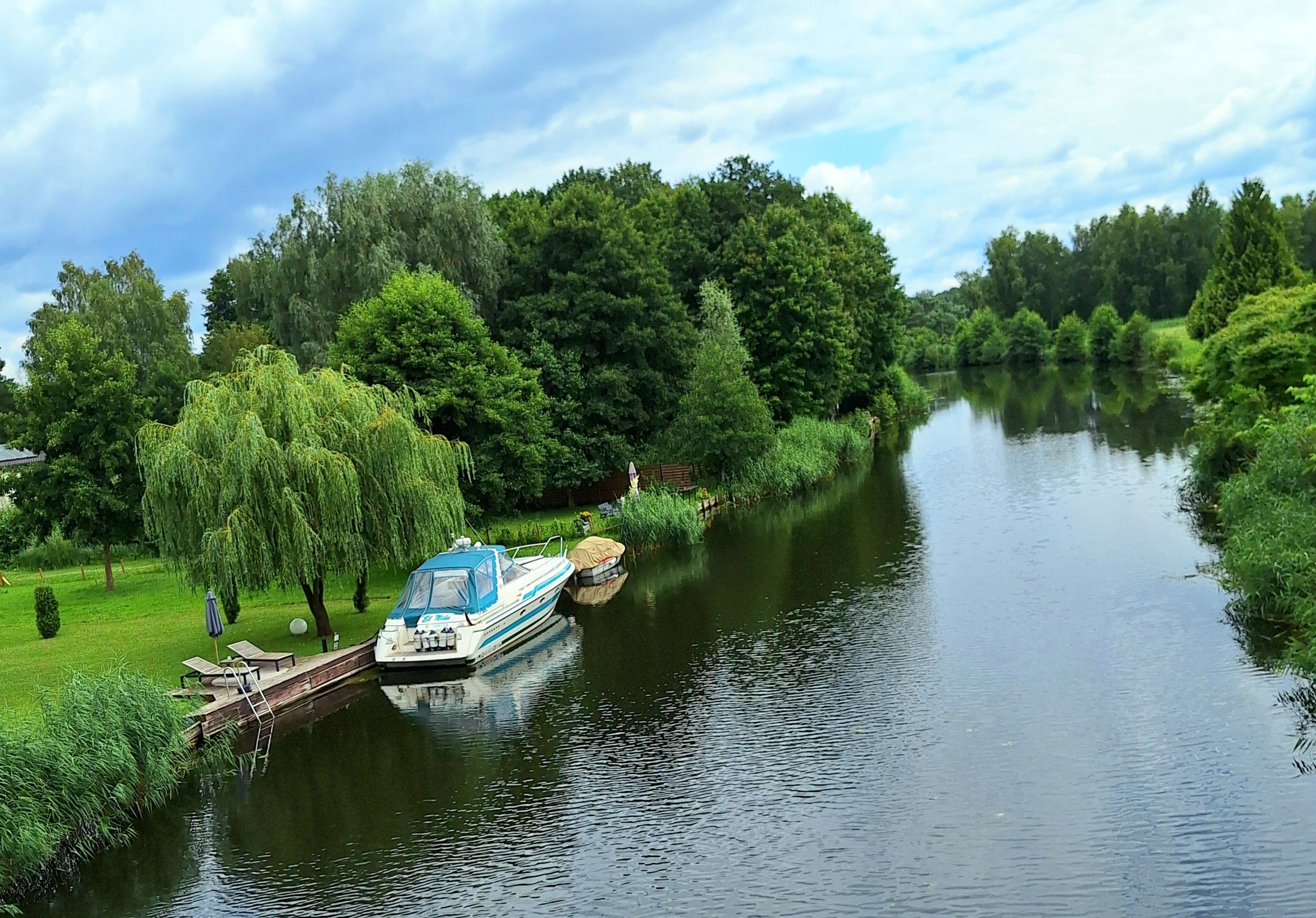
View on Havel river at Mildenberg winding to the south and Berlin

And now this blog will continue desirable summer holidays, cheers!

CANOE TRIP ON THE OLD HAVEL

“The Havel, to say it again, is quite an unusual river;
you could call it the North German or the lowland
Neckar according to its shape.”  Theodor Fontane


Early in the morning on the banks of the Havel

In September 2020 (during the unfortunate coronavirus period), we devoted ourselves to more nearby beauty, as traveling to other countries was very difficult these days. And so we also went on a canoe trip on the old Havel north of Berlin between Zehdenick and Mildenberg. And we also came to the conclusion that the nearby obvious is often overlooked because people only want to get to know the wide world around the whole globe. That’s a shame, when there are small paradises just around the corner here with us in the vast Mark Brandenburg.

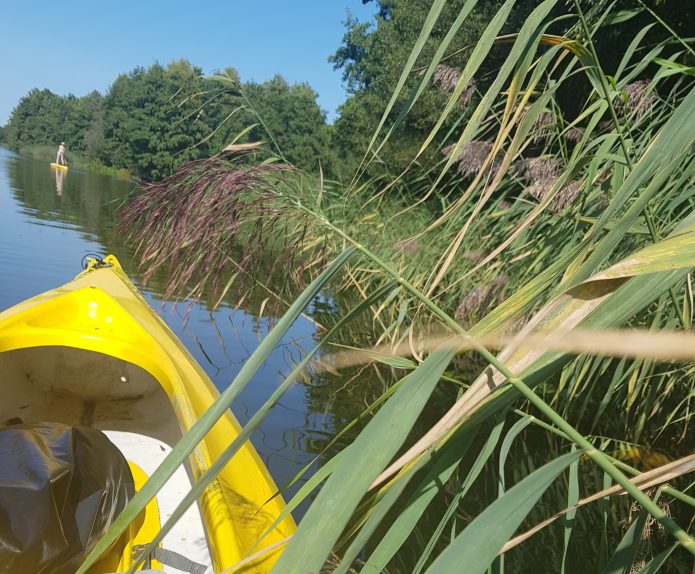
Feeling your way through a wild and overgrown side arm; my wife is at the top on her beloved SUP

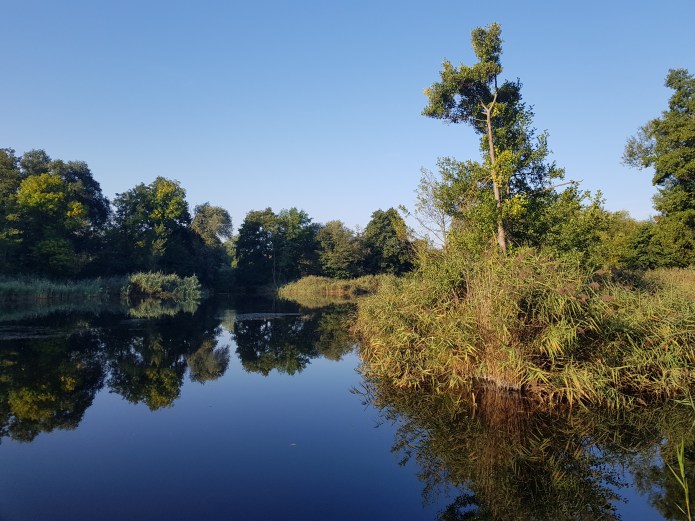
The meandering main stream winds its way through an original countryside

The German writer Theodor Fontane can be regarded as a true forerunner of contemporary outdooring, as he spent three decades walking through Brandenburg in the 19th century, when it was not yet fashionable to do so, and wrote about it in his famous “Wanderungen durch die Mark Brandenburg” in a total of five volumes. And at that time this was generally still something rather crazy, because people usually went into the great outdoors only to collect wood, graze their cattle or simply just to hunt.

We are in flow at a wide point of the primordial current


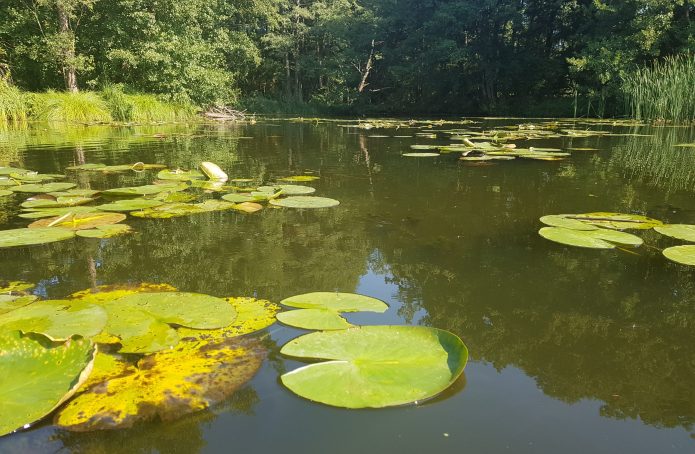
Water lilies also thrive here very well, an obvious sign of very clean water

And as you can see, the beautiful Havel here is once again a very pristine river, which was not always the case, as the area here was long dominated by the brick industry, which had to provide supplies for the rapidly growing Berlin not far away. And so there are really many clay pits in the area, but now these pits are only beautiful small lakes. But the renaturation of the Havel has been underway for many years now.

Dense shield belts everywhere along the natural river

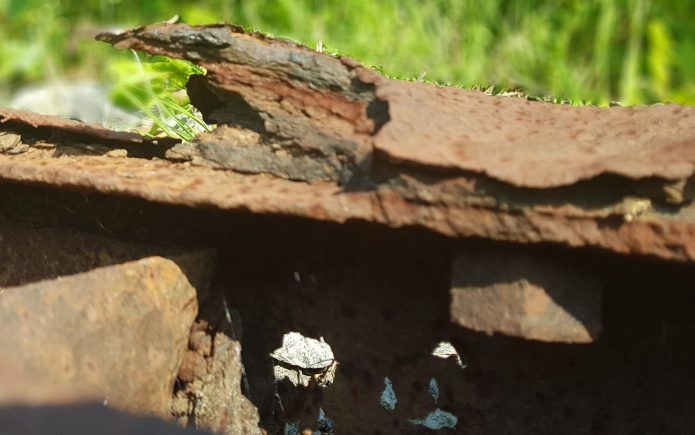
An old decaying technical construction by the wayside

The next stage of this major renaturation project of the Havel began in 2024. Over the next few years, 15 oxbow lakes along 90 kilometers of the Lower Havel between Plau and the mouth of the Elbe will be restored to flow. In addition, dykes will be dismantled and 71 revetments will be removed along 29 kilometers, alluvial forests will be created and much more. Of course, this will not happen so quickly and will be a complex process over the coming years. But these pictures here show clearly, it really is worth all the effort.

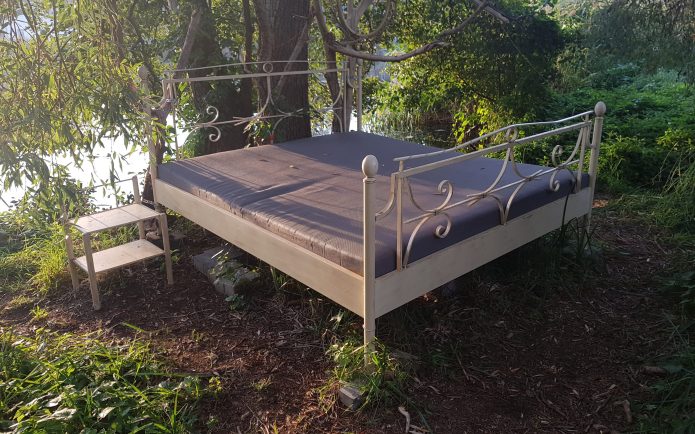
An illustrious resting place for the night was also hidden in the vast green jungle

And with these varied and colorful impressions, I wish everyone a wonderful summertime and vacation whereever it may be.