POST-INDUSTRIALISM / BRICKWORK PARK MILDENBERG


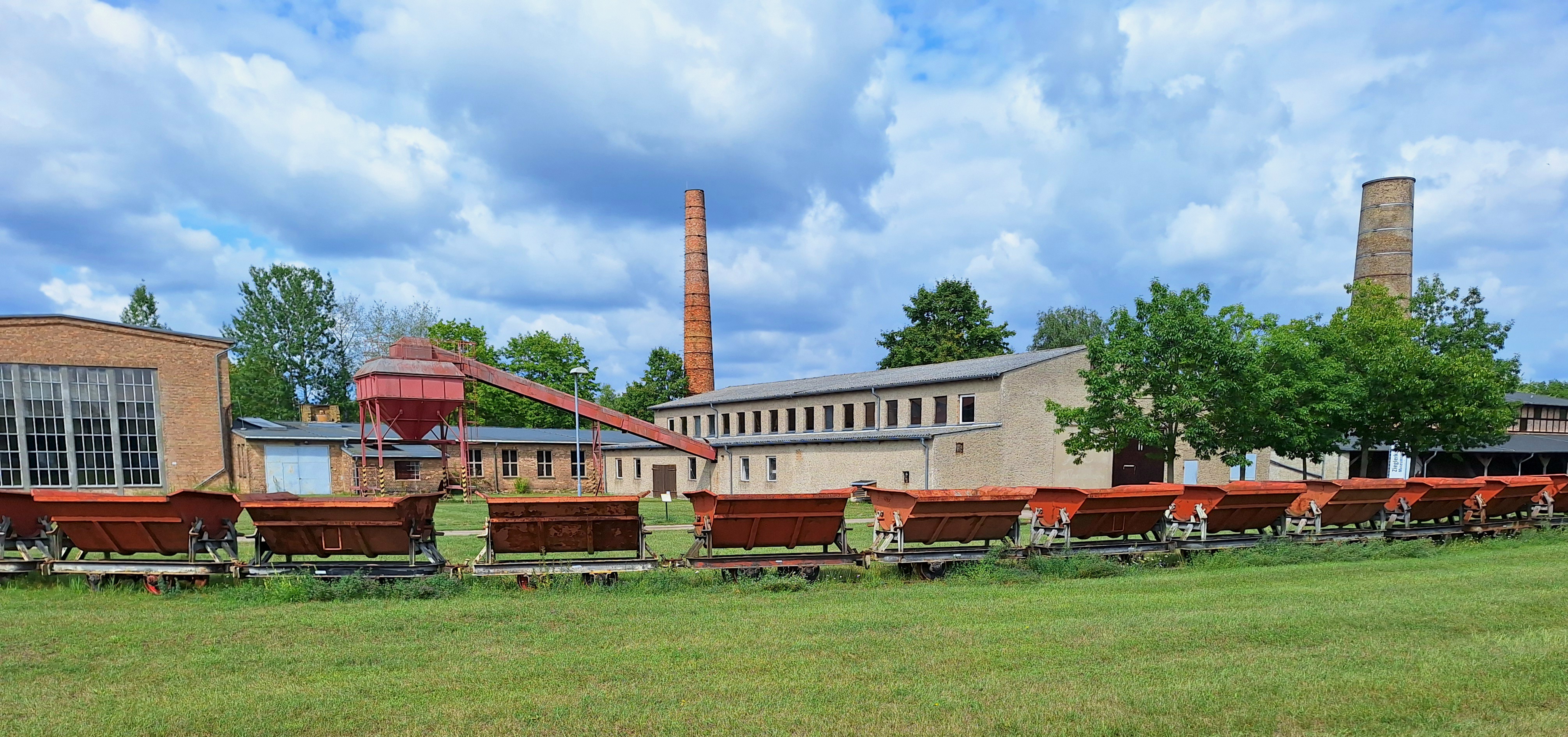
The Mildenberg Brickworks Park was once the largest brickworks in all Europe. Today it is an industrial museum and a popular excursion destination. Museum harbour, ring kilns, workshops and machine halls, everything can be visited. The site is in fact very large – so if you don’t want to walk around all the diverse stations, you can use optionally the free light railway..

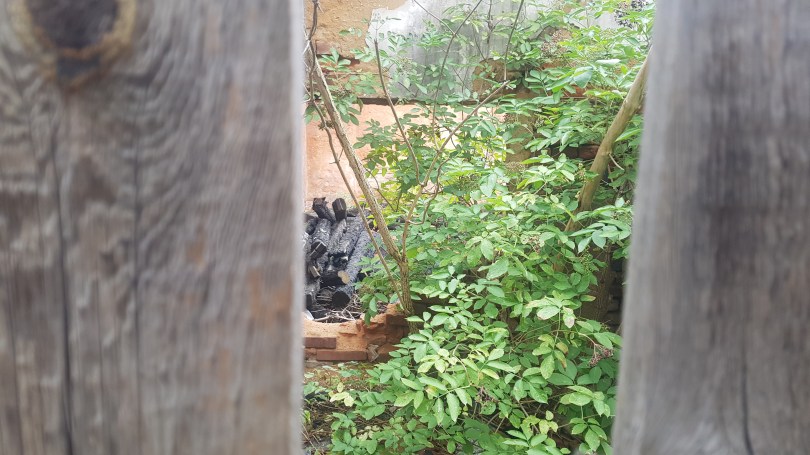
Technology of early 20th century: a typical ring kiln

Miiildenberg Brickworks Park is located around an hour north of Berlin in the middle of the Zehdenick clay pit landscape. Brick production in the area dates back to 1887, when rich deposits of clay were discovered during the construction of the Löwenberg-Templin railway line.

The former industrial harbour with old barge and crane

Hence, at the beginning of the 20th century the huge bricksworks area was created near Mildenberg within a rather short period of time. The development was favoured by the fact that the clay quarries were located in the immediate vicinity of the Havel and thus offered favourable transport options by barge. Berlin, which was expanding rapidly due to immigration, had an enormous demand for building materials, which could now be met. The production peaked in 1910 at 625 million bricks a year, fired in 57 Hoffmann ring kilns. 
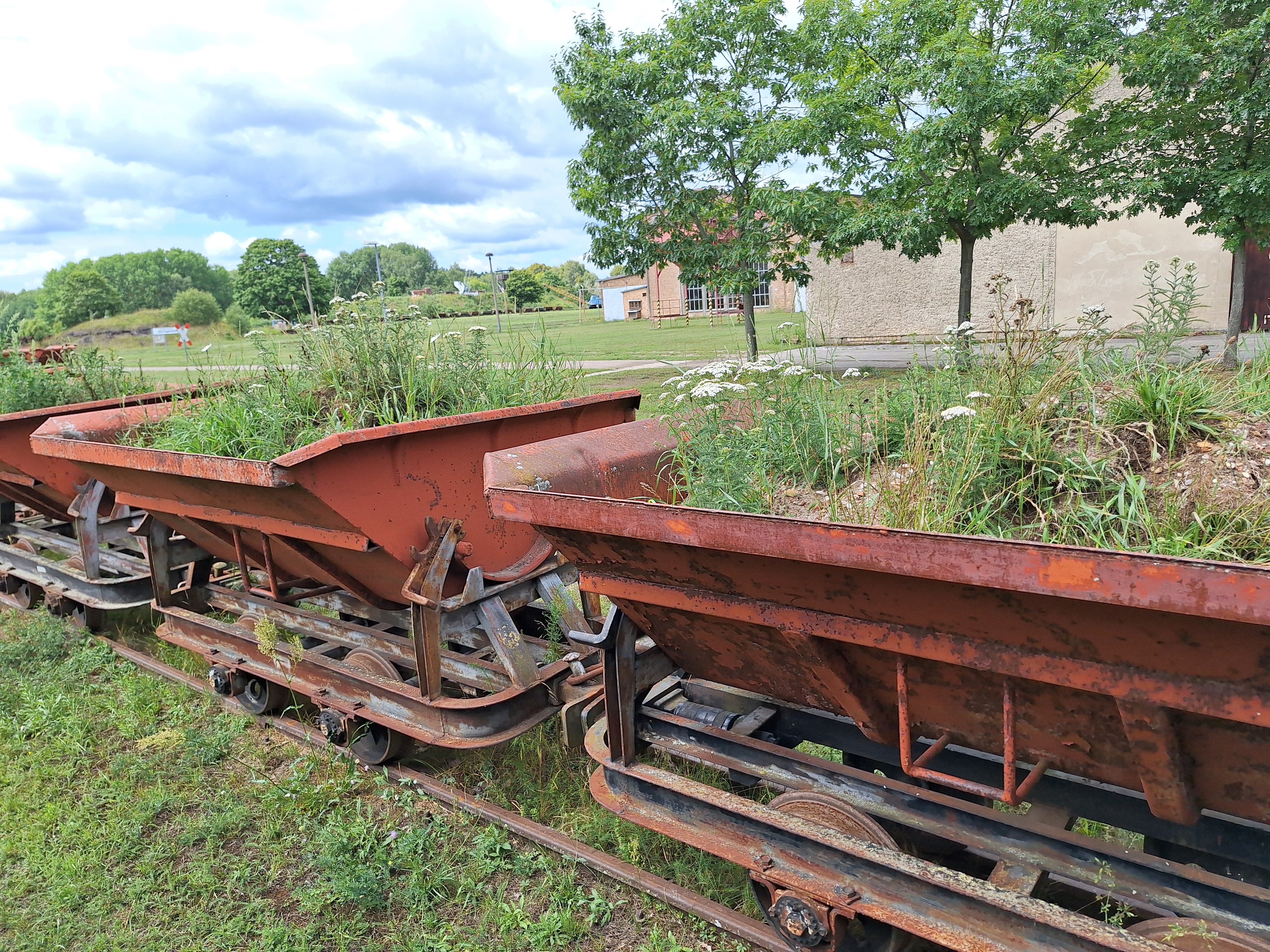
One of the many former clay pits being now beautiful lakes

Afrer 1945, the brick industry in the then Soviet occupation zone developed very well again. Reconstruction after the 2nd World War again required masses of building materials. In the GDR, the area around Mildenberg was the largest, now state-owned, manufacturer of bricks and roof tiles, until the introduction of prefabricated construction technology in the 1960s led to a renewed decline in importance. After reunification in 1991, operations were discontinued as investors saw no longer a future here.
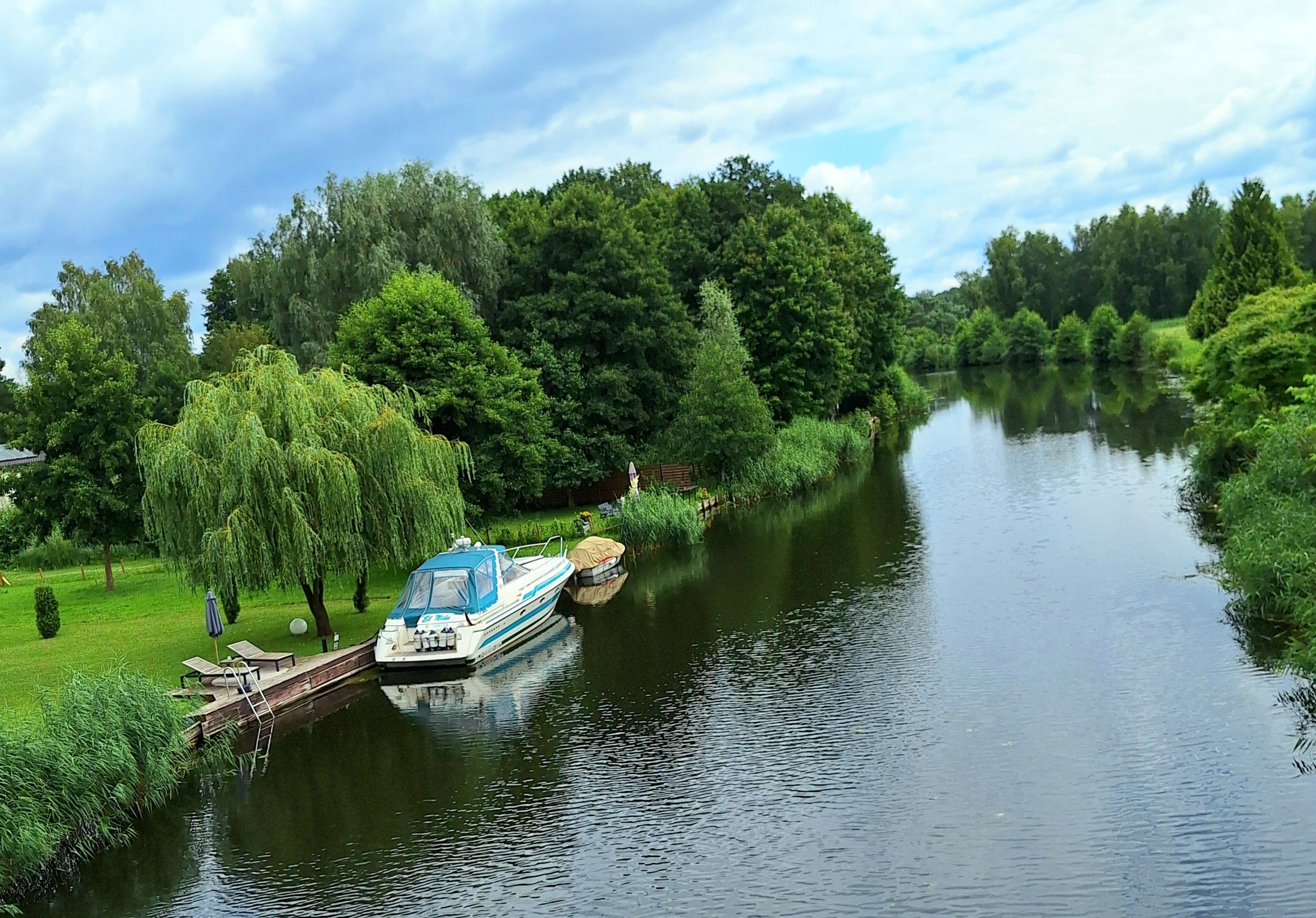
View on Havel river at Mildenberg winding to the south and Berlin

And now this blog will continue desirable summer holidays, cheers!

CANOE TRIP ON THE OLD HAVEL

“The Havel, to say it again, is quite an unusual river;
you could call it the North German or the lowland
Neckar according to its shape.”  Theodor Fontane


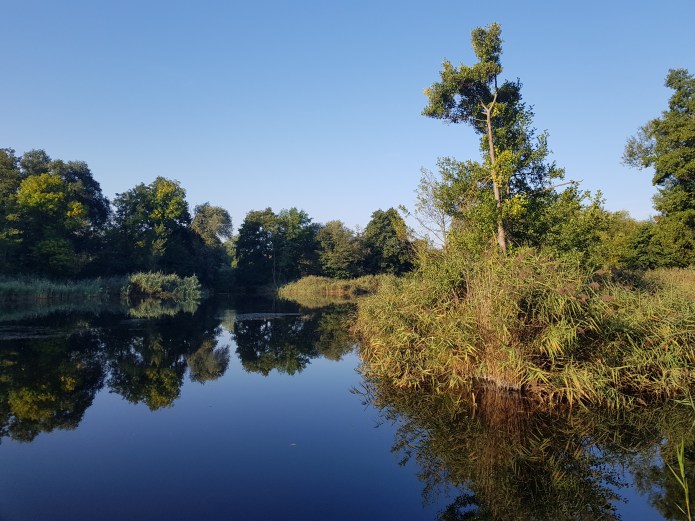
Early in the morning on the banks of the Havel

In September 2020 (during the unfortunate coronavirus period), we devoted ourselves to more nearby beauty, as traveling to other countries was very difficult these days. And so we also went on a canoe trip on the old Havel north of Berlin between Zehdenick and Mildenberg. And we also came to the conclusion that the nearby obvious is often overlooked because people only want to get to know the wide world around the whole globe. That’s a shame, when there are small paradises just around the corner here with us in the vast Mark Brandenburg.

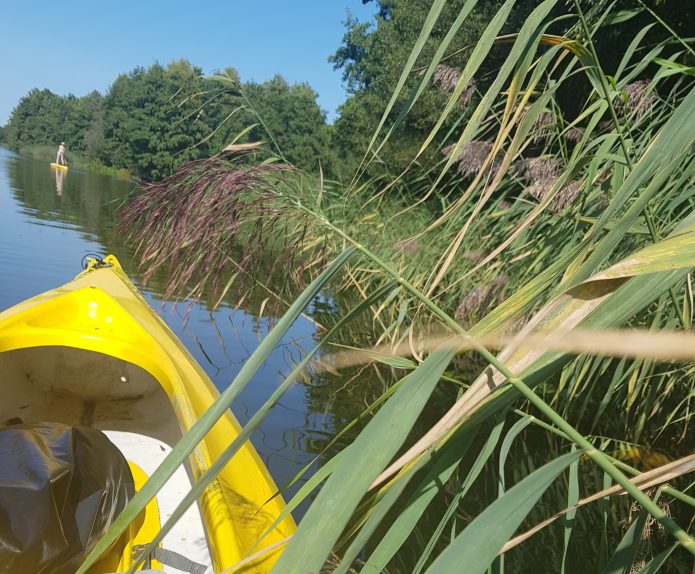
Feeling your way through a wild and overgrown side arm; my wife is at the top on her beloved SUP

The meandering main stream winds its way through an original countryside

The German writer Theodor Fontane can be regarded as a true forerunner of contemporary outdooring, as he spent three decades walking through Brandenburg in the 19th century, when it was not yet fashionable to do so, and wrote about it in his famous “Wanderungen durch die Mark Brandenburg” in a total of five volumes. And at that time this was generally still something rather crazy, because people usually went into the great outdoors only to collect wood, graze their cattle or simply just to hunt.

We are in flow at a wide point of the primordial current


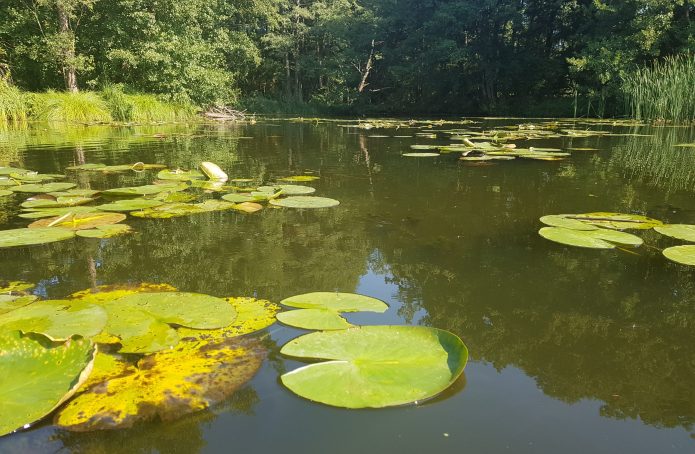
Water lilies also thrive here very well, an obvious sign of very clean water

And as you can see, the beautiful Havel here is once again a very pristine river, which was not always the case, as the area here was long dominated by the brick industry, which had to provide supplies for the rapidly growing Berlin not far away. And so there are really many clay pits in the area, but now these pits are only beautiful small lakes. But the renaturation of the Havel has been underway for many years now.

Dense shield belts everywhere along the natural river

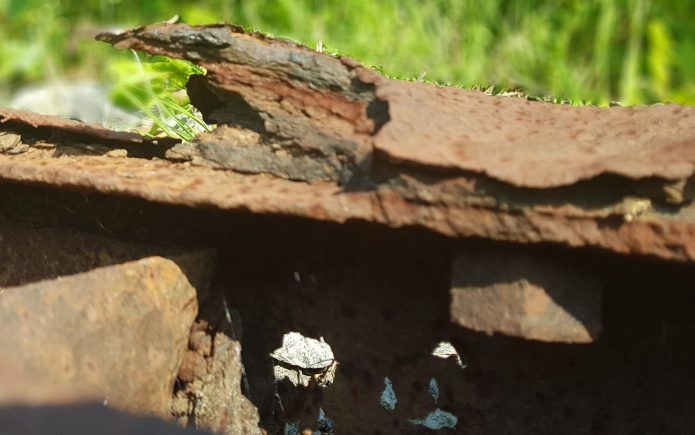
An old decaying technical construction by the wayside

The next stage of this major renaturation project of the Havel began in 2024. Over the next few years, 15 oxbow lakes along 90 kilometers of the Lower Havel between Plau and the mouth of the Elbe will be restored to flow. In addition, dykes will be dismantled and 71 revetments will be removed along 29 kilometers, alluvial forests will be created and much more. Of course, this will not happen so quickly and will be a complex process over the coming years. But these pictures here show clearly, it really is worth all the effort.

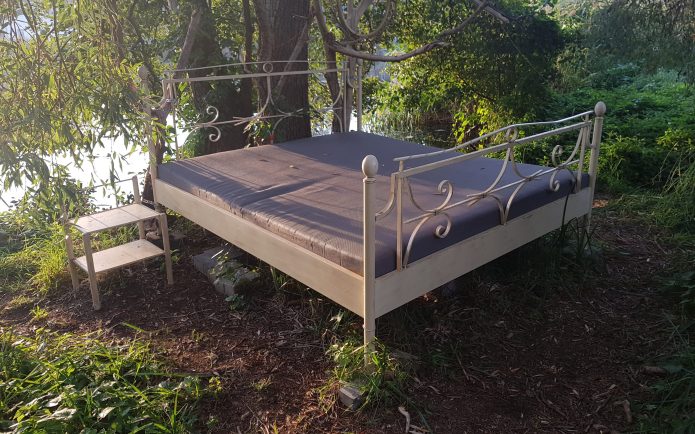
An illustrious resting place for the night was also hidden in the vast green jungle

And with these varied and colorful impressions, I wish everyone a wonderful summertime and vacation whereever it may be.

POST-INDUSTRIALISM / “ZECHE ZOLLVEREIN” IN ESSEN


The Ruhr area was once the heart of the German montan industry, where coal and steel determined people’s lives for a long time. Coal has been mined there for a long time, and the earth underground more resembles Emmental cheese, although nobody knows exactly where all the mine shafts are from which the coal was brought to light.

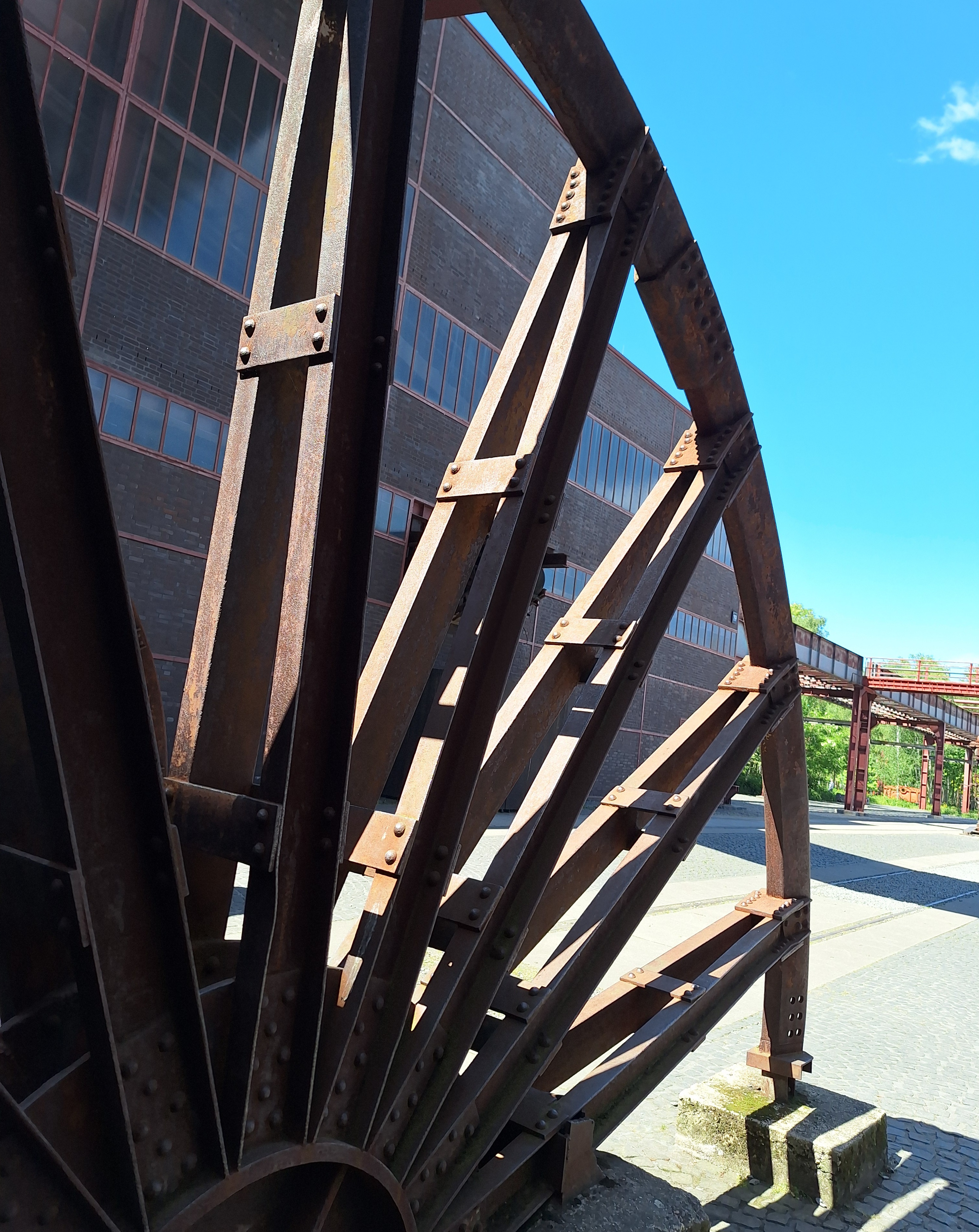
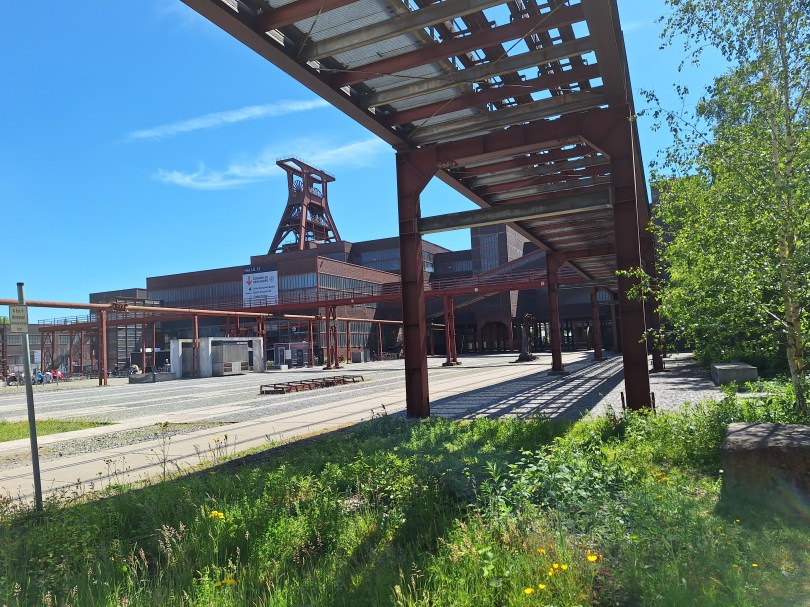
“Zeche Zollverein” (i. e. Zollverein colliery) was a coal mine in Essen that operated from 1851 to 1986. After the commissioning of the central winding shaft 12, the colliery had the highest production rates of all German coal mines for a time in the middle of the 20th century. Today it is an architectural and industrial monument. 

Together with the neighbouring coking plant, pits 12 and 1/2/8 of the colliery have been a UNESCO World Heritage Site since 2001 where various guided tours are also offered underground, but you can also simply stroll around the extensive site, where there are also many seating areas in almost green surroundings, where coal trains will pass by only in your mind’s eye.

Today the Ruhr area is really very green everywhere, the air is relatively clean again, and the rivers are no longer cesspools as they were in the 19th century, when the quick money of black gold and steel lured the Krupp family of entrepreneurs to Essen and provided them with a stately home with a huge park that makes you think more of the castles of English lords. This so-called ‘Villa Hügel’ is however now freely accessible to everyone as a place of culture and art.

How times change!


ENCHANTED FOREST

In our neighbourhood at home one of our favourite trails for hiking leads through Briese Valley / Briesetal near the Northern gates of Berlin. The Briese is a small, not very long river flowing mostly in a glacial groover. Here you may find a wild alder swamp forest, beaver dams and marshland in quite original condition. During our recent visit nature has rested still in winter mode but at least some green to be admired on the watersurface.

The nicest part of this trail starts at the village of Briese in the direction of Zühlsdorf over a distance of around 6 km. There it is possible to make a rest at a nice old forester’s lodge in the woods where you get small snacks (such as homemade deer sausage) and drinks during the weekend all year round and then go back on the other riverside with different views, a nice roundtrip of approx. 12 km.


COOL PLEASURES

I like the winter time very much and when the weather is dry, sunny and also quite cold then, suddenly a complete clarity can spread in our minds. So the month of January – which is also my birth month – is always something special for me in the annual cycle, when the old year is still present after a new year has already begun. This is possibly why the ancient Romans dedicated this month to their ancient god Janus, better known as the god with two faces, who symbolised both beginnings and endings for them – the spirit of entrances and exits.

Icy mountain station on the Fichtelberg (1,215 m) near the German-Czech border

January is usually also the coldest month in the northern hemisphere and begins nine or ten days after the winter solstice, which here means the shortest day of the year and a very long night – a day that is also very important for past cultures and earlier civilisations. In the ancient Celtic cycle of the year, the so-called ‘Raunächte’ begin soon after at midnight on 24 December and last until sunrise on 6 January. For our ancestors, these were truly holy nights, a time spent with family and festivities, in other words, what today is more profanely called the Christmas season.

That’s me and my fast luge in action

Of course, this must also be a good time to really enjoy winter in the mountains, when snow crystals in thick layers cover trees and bushes, hills and meadows, houses and paths in sometimes mysterious and strange ways, inviting you to move on to the distant horizon.

Endless forest path in snowy disguise

And after such a walk through the white-painted woods, it’s time to dive into the real soundtrack of winter: The Walrus Hunt by The Residents  is one of my favourite songs. And now welcome to the real north, the home of the Inuit.


TIMETRAVEL IN DINGOLFING

The legendary Gogomobil was once manufactured in the Lower Bavarian town of Dingolfing, but today a huge BMW plant stands here instead, and these new cars of today are far less spectacular, instead pure show-off paraphernalia with plenty of horsepower to satisfy archaic desires and equally a regular imposition with aggressive driving on German and other roads. Below are some advertising posters and technical insights picked up in the Dingolfing museum, artefacts from another and also still purely analogue time.

Mina, Nessuno, 1959

*****************

HISTORISCHE WANDBILDER UND MURALS IN BERLIN (1965-1989)

In den 1970er Jahren entwickelte sich die Graffiti-Szene, inspiriert von der aufkeimenden Hip-Hop-Bewegung, schließlich im New Yorker Untergrund. Innerhalb weniger Monate wurde sie zu einer gigantischen Welle, die auch auf Europa überschwappte. Die Punks und der Hip-Hop brachten die Streetart in ihre Hochburgen London und Amsterdam, von wo aus sie nach West-Berlin gelangten.

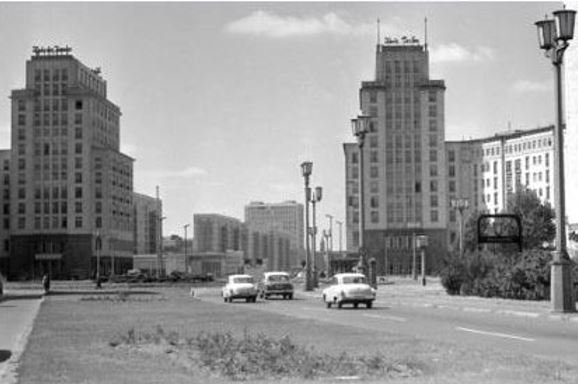
Blick auf neu errichtete Häuser in der Stalinallee, Berlin-Friedrichshain, 1963

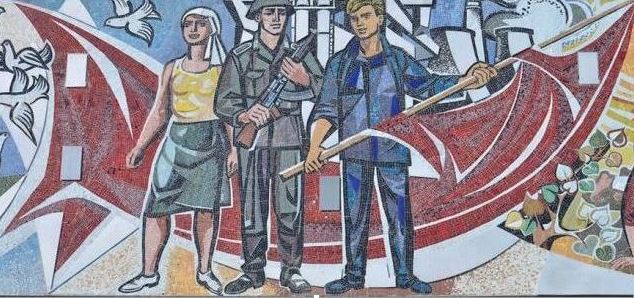
Wandfries von Walter Womacka
Haus des Lehrers, Berlin-Mitte, 1965

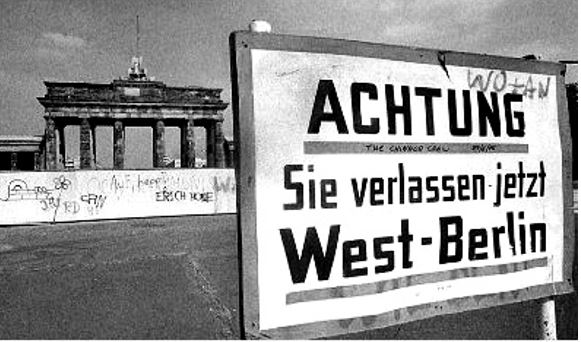
Auch in Ost-Berlin gab es Formen der Straßenkunst, allerdings waren die Künstler in ihrer Freiheit stark eingeschränkt und mussten sich streng an den verordneten sozialistischen Realismus halten, wie hier auf dem Wandfries von Walter Womacka aus den 1960er Jahren zu sehen. Auch in Ost-Berlin wurden politische Parolen an Häuser und Wände gemalt, die aber meist sofort von der Staatssicherheit entfernt wurden. In West-Berlin präsentiert sich die Berliner Mauer zunächst nur als riesige Leinwand, auf die ab den 1970er Jahren politische Parolen, Wandbilder und später Graffiti gemalt und gesprüht werden.


Die teilende und tödliche Berliner-Mauer, 1961-1989

Wandfries von Walter Womacka
Haus des Lehrers, Berlin-Mitte, 1965

In ihren Anfängen fand die Streetart viele Befürworter. Der Zweite Weltkrieg hatte in Berlin viele Spuren in Form von Brandmauern und Bombenblindgängern hinterlassen, die durch die Wandmalereien verdeckt werden konnten. Die Politik förderte die Streetart-Projekte in West-Berlin mit Gestaltungsprogrammen und Wettbewerben wie Kunst am Bau. Zahlreiche Künstler brachten unterschiedliche Stile und Techniken mit, das Ziel war ein aktiver Eingriff in das Stadtbild.

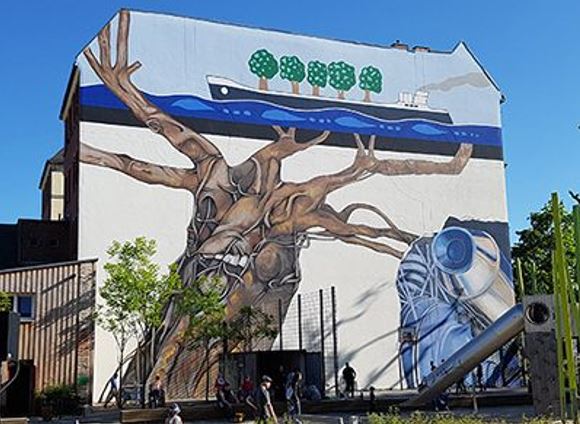
Ben Wagin, “Weltbaum”
Berlin-Tiergarten, 1977/2018

Alles begann mit einem stöhnenden Baum, der von heftigen Autoabgasen umgeben war. Das Umweltwerk “Weltbaum” von Ben Wagin war das erste große Wandbild, das 1977 im Westteil Berlins entstand. Aufgrund von Bauarbeiten ist es nicht mehr an seinem ursprünglichen Platz zu sehen. Deshalb wurde es im Mai 2018 an einem geeigneten Gebäude in der Lehrter Str. neu gemalt und rekonstruiert.

Gert Neuhaus, “Zipper”
Berlin-Charlottenburg, 1979

Marilyn Green, Rainer Warzecha und Christoph Böhm
“Modell Deutschland”, Berlin-Kreuzberg, 1981

Politische Parolen, die auf Hauswände gemalt oder gesprüht werden, sind seit jeher Teil politischer Bewegungen, nicht erst seit der westdeutschen Hausbesetzerbewegung der 1970er und 1980er Jahre, die sich dieses Ausdrucksmittels intensiv bedient. Besonders stark und aktiv war die Hausbesetzerbewegung in West-Berlin, wo viele Häuser ungenutzt, leer oder in sehr schlechtem Zustand waren.

Hausruine am Winterfeldplatz
Berlin-Schöneberg, 1981

Wandgemälde auf einem besetzten Haus
KuKuck, Berlin-Kreuzberg, 1982

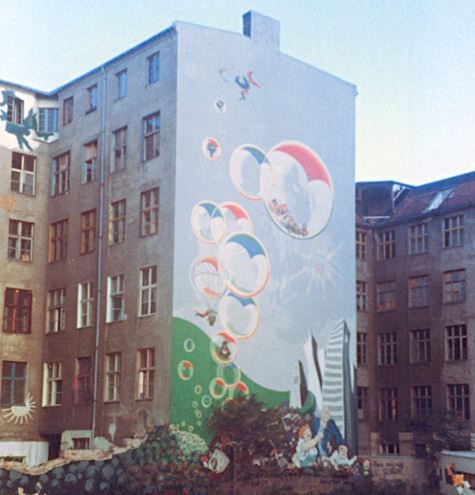
Die Werke, die in den 1970er Jahren in West-Berlin und später in der Hausbesetzerbewegung der 1980er Jahre entstanden, hatten oft eine politische Botschaft – wie der “Weltbaum” von Ben Wagin oder das inzwischen verschwundene Wandbild “Modell Deutschland” von Marilyn Green, Rainer Warzecha und Christoph Böhm. Auch die Illusionsmalerei war sehr beliebt. Ein Beispiel ist der noch heute existierende Giebel “Zipper” des Künstlers Gert Neuhaus.

Sigurd Wendland, “Potsdamer Str. 1945”, 2. Weltkriegsbunker, Berlin-Schöneberg, 1983

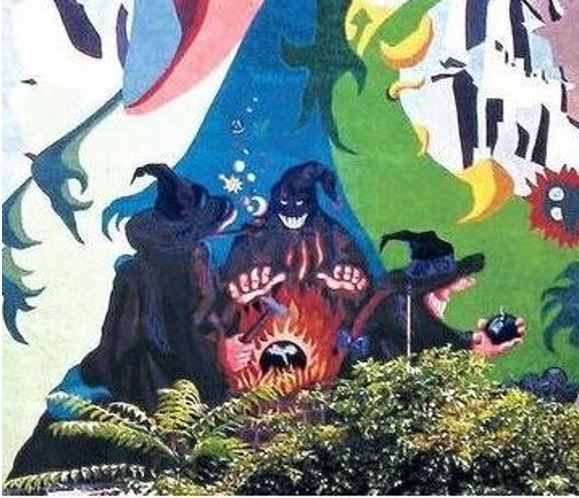
Harald Juch, “Chernobyl Disaster”
Berlin-Schöneberg, 1986

Blick auf den Kurfürstendamm
Berlin-Charlottenburg, 1987

Gert Neuhaus, “Phönix”
Berlin-Charlottenburg, 1989

Illegale Untergrundkunst existierte im gegenseitigen Einvernehmen neben Auftragsarbeiten, die meist von Wohnungsbaugesellschaften vergeben wurden. Manchmal überschnitten sich die Arbeiten auch, oft verschwanden sie wieder. Mit den großen politischen Umbrüchen ab Ende 1989 hat sich in Berlin auch in Bezug auf die urbane Kunst viel verändert, aber das ist bis heute so geblieben!

++++×+××××××××××+++×××××××××××××××

Best of Synthwave and Retroelectro, BadJays, 2016

AUF ABWEGEN IN NIEDERBAYERN

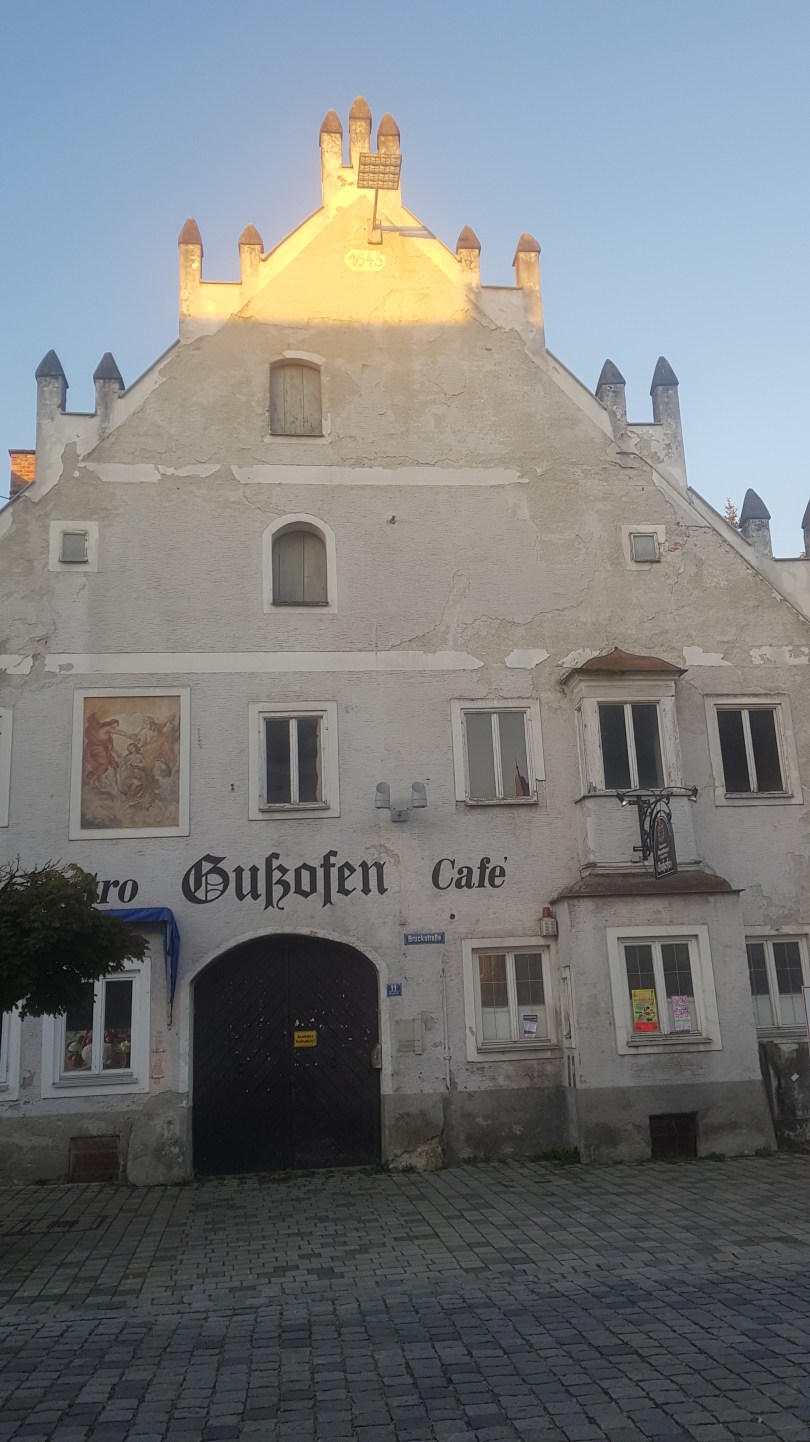
Alt ehrwürdiges nun aber doch leerstehendes und vergessenes Bürgerhaus in der sonst ja überperfekten Fussgängerzone von Dingolfing

Ja mei, waas is dänn hiar passiert? Eine Ruine inmitten einer bayerischen Konsumhölle, da hat der Bürgermeister aber seine Hausaufgaben wohl nicht gemacht bzw. erledigt!

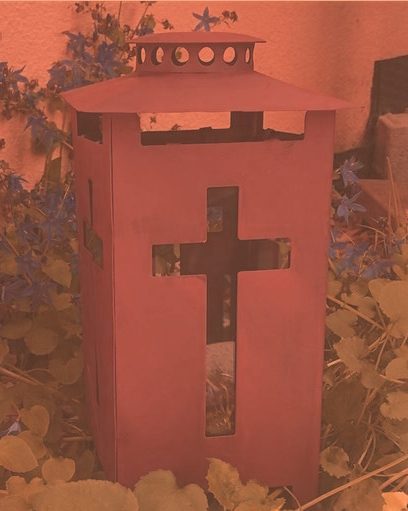
Grabschmuck auf dem Friedhof von Reisbach

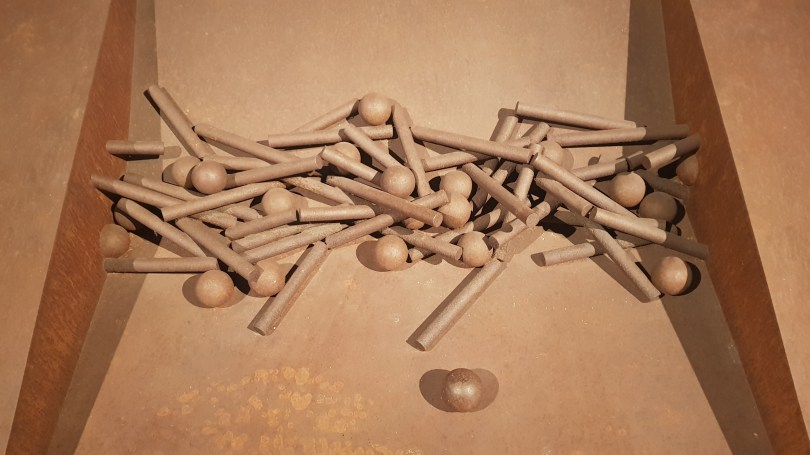
Rostskulptur von Fritz Koenig, Koenig-Museum, Landshut

Nun danach ein bischen weitergegangen und dann noch über Rost aller Arten gestolpert. Und das nennt sich dann selber gar “Premium-Region”, ja schön fabuliert und phantasiert, letztlich ist Allem immer der Niedergang unwiderruflich sicher.

Fundstück am Wegesrand irgendwo in Niederbayern

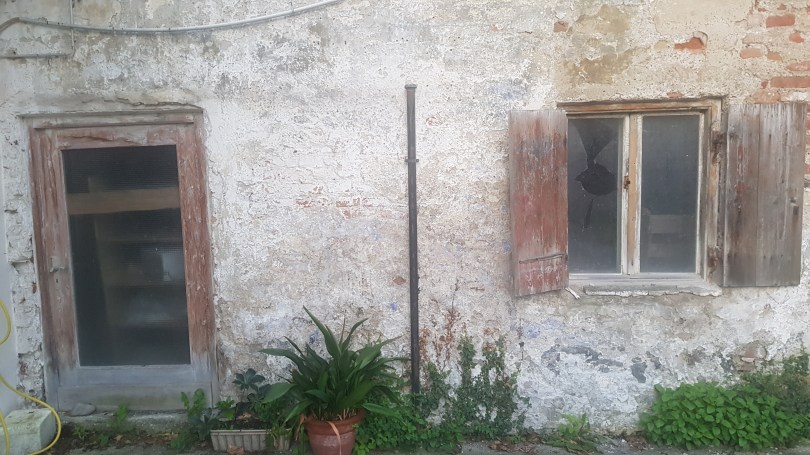
Eine andere Hausruine in einer Seitengasse von Dingolfing gut versteckt; und die steht nun schon seit über 50 Jahren so leer herum

Die Zeit steht schon still um die Ecke, eine Sekunde des Innehaltens wird zur Stunde der Wahrheit ganz selbstvergessen und romantisch. Wir brauchen mehr solche Orte der Meditation, dann geht es auch voran mit poetischen Ausblicken auf eine schier unglaubliche Zukunft, in der wir uns ganz und gar verlieren können und selbst zum phantastischen Fundstück am Wegesrand werden!

Die Natur erobert nach und nach diese Vergessenheit  – eine doch willkommene und perfekte Symbiose von Raum und Zeit

++++++++++++++++++++++

Phillip Boa and The Voodoo Club, Bay Rum, 2023

*****************

For any feedback please use the contact formula on my website!