POST-INDUSTRIALISM / BRICKWORK PARK MILDENBERG


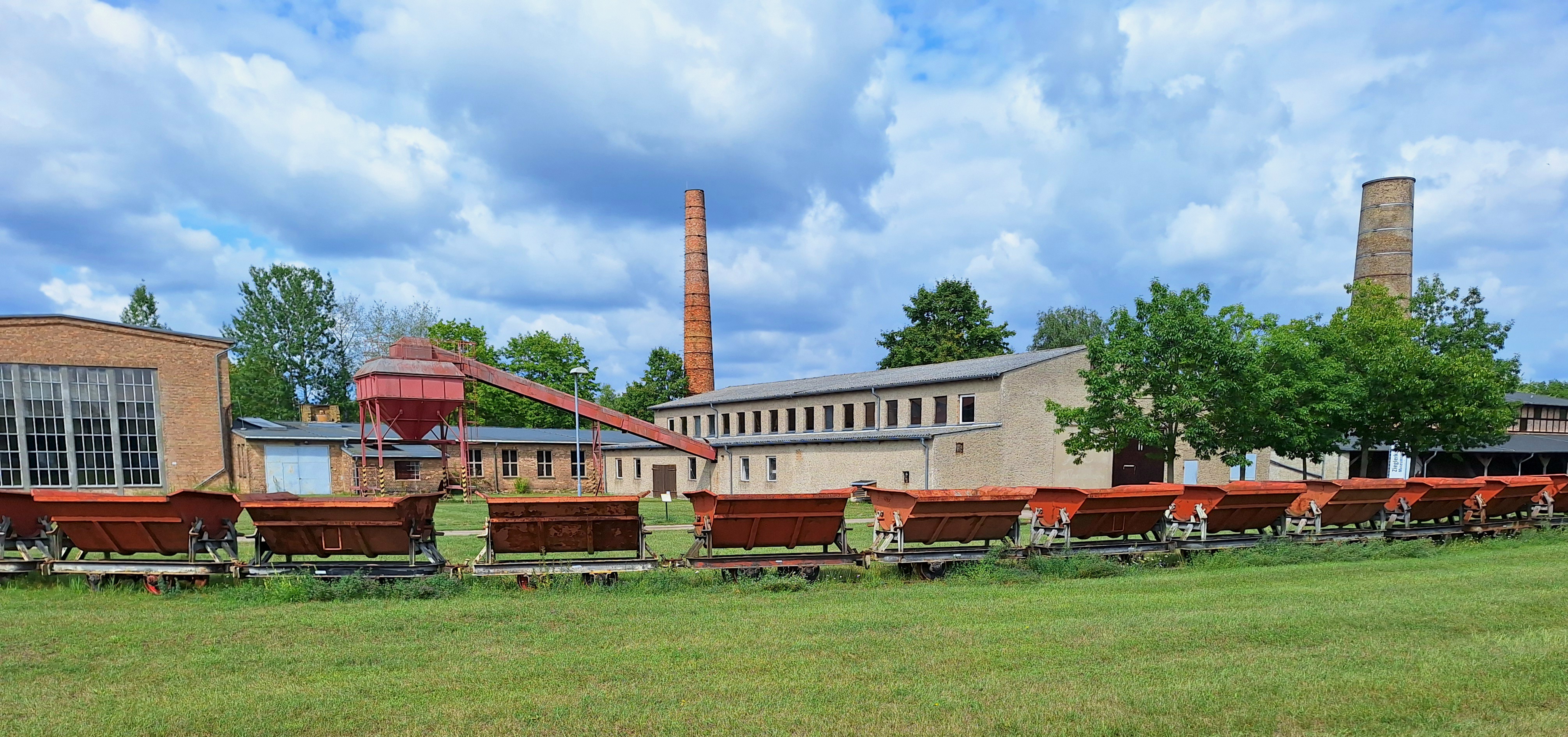
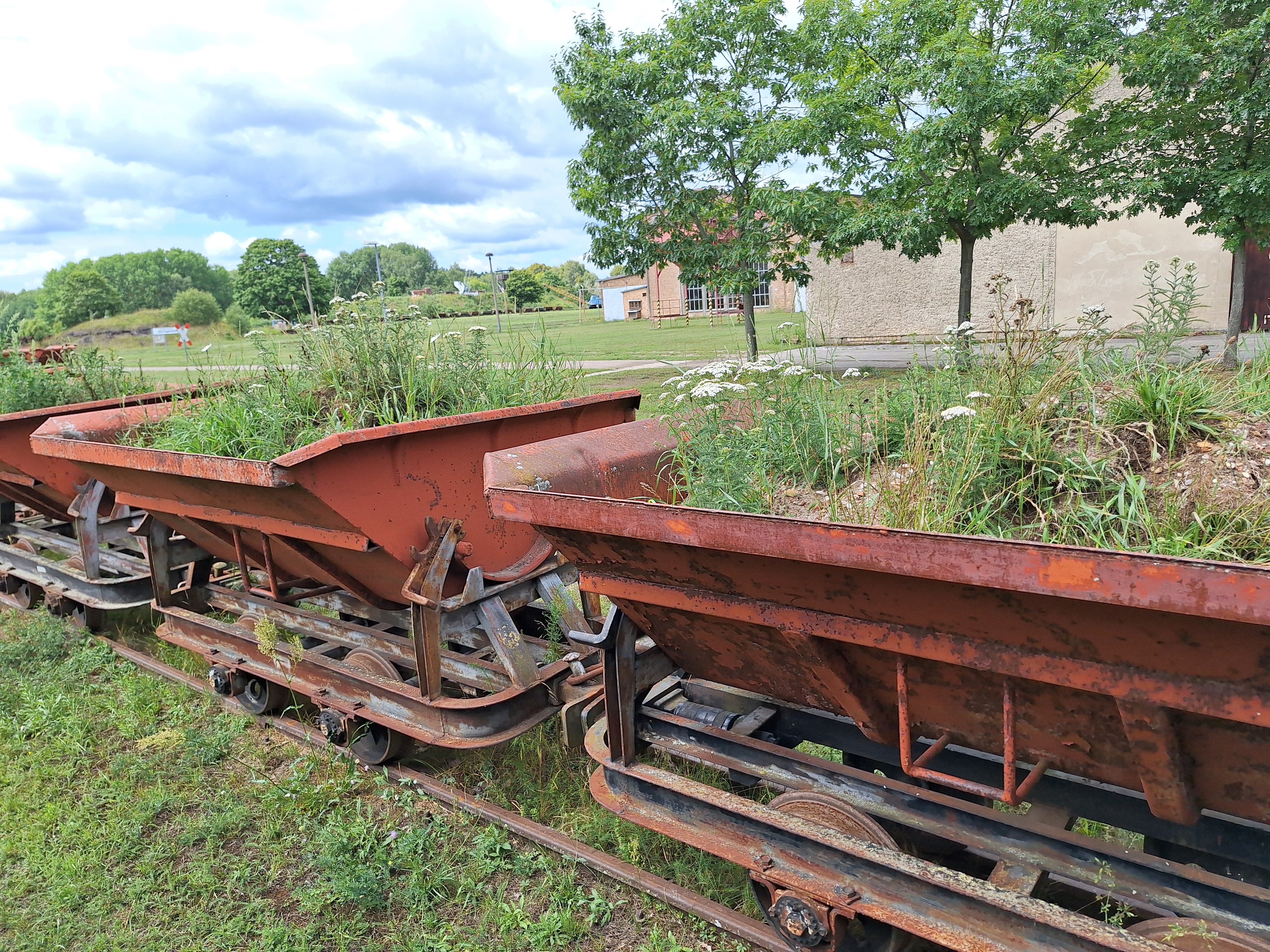
The Mildenberg Brickworks Park was once the largest brickworks in all Europe. Today it is an industrial museum and a popular excursion destination. Museum harbour, ring kilns, workshops and machine halls, everything can be visited. The site is in fact very large – so if you don’t want to walk around all the diverse stations, you can use optionally the free light railway..

Technology of early 20th century: a typical ring kiln

Miiildenberg Brickworks Park is located around an hour north of Berlin in the middle of the Zehdenick clay pit landscape. Brick production in the area dates back to 1887, when rich deposits of clay were discovered during the construction of the Löwenberg-Templin railway line.

The former industrial harbour with old barge and crane

Hence, at the beginning of the 20th century the huge bricksworks area was created near Mildenberg within a rather short period of time. The development was favoured by the fact that the clay quarries were located in the immediate vicinity of the Havel and thus offered favourable transport options by barge. Berlin, which was expanding rapidly due to immigration, had an enormous demand for building materials, which could now be met. The production peaked in 1910 at 625 million bricks a year, fired in 57 Hoffmann ring kilns. 
One of the many former clay pits being now beautiful lakes

Afrer 1945, the brick industry in the then Soviet occupation zone developed very well again. Reconstruction after the 2nd World War again required masses of building materials. In the GDR, the area around Mildenberg was the largest, now state-owned, manufacturer of bricks and roof tiles, until the introduction of prefabricated construction technology in the 1960s led to a renewed decline in importance. After reunification in 1991, operations were discontinued as investors saw no longer a future here.
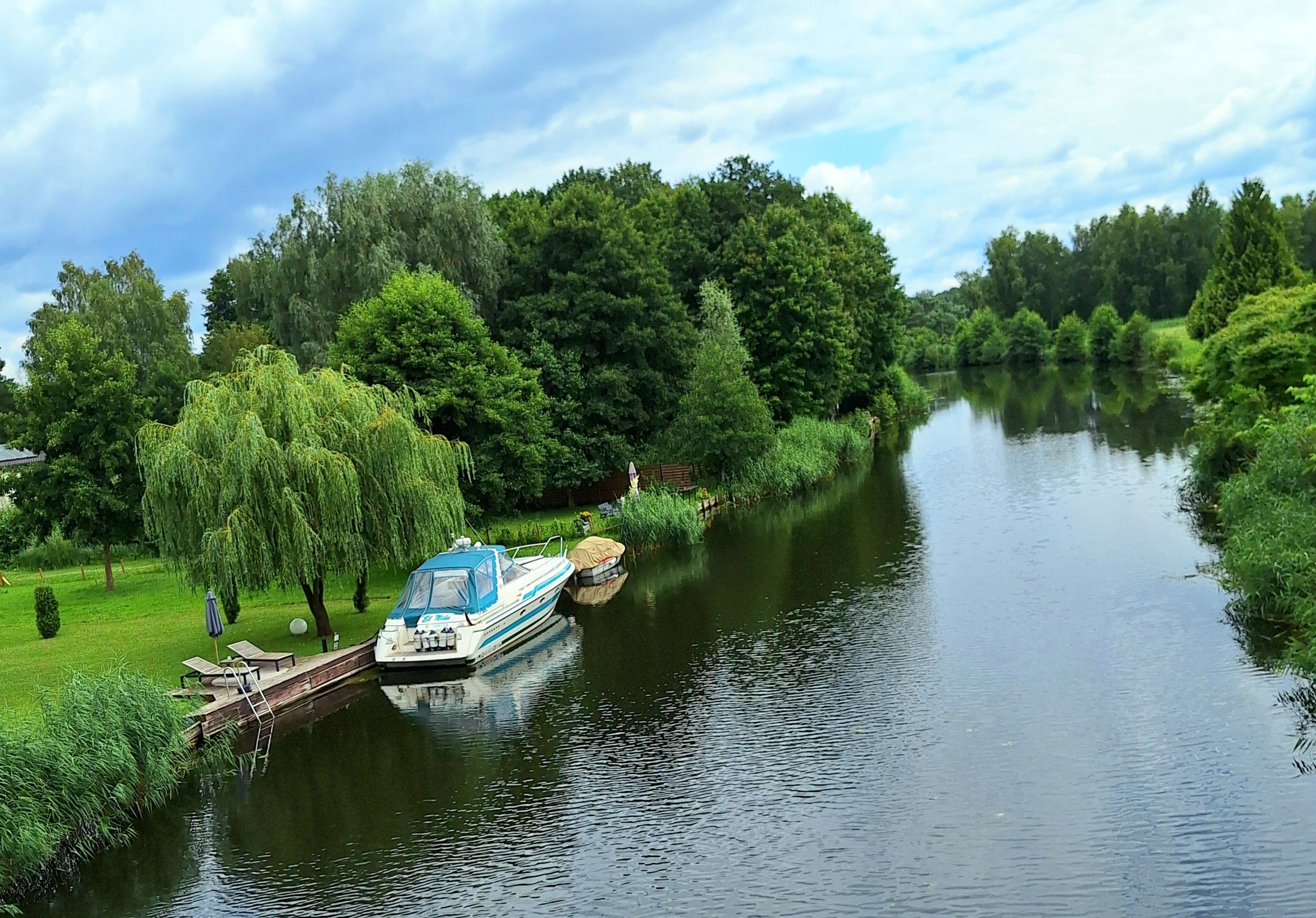
View on Havel river at Mildenberg winding to the south and Berlin

And now this blog will continue desirable summer holidays, cheers!

CANOE TRIP ON THE OLD HAVEL

“The Havel, to say it again, is quite an unusual river;
you could call it the North German or the lowland
Neckar according to its shape.”  Theodor Fontane


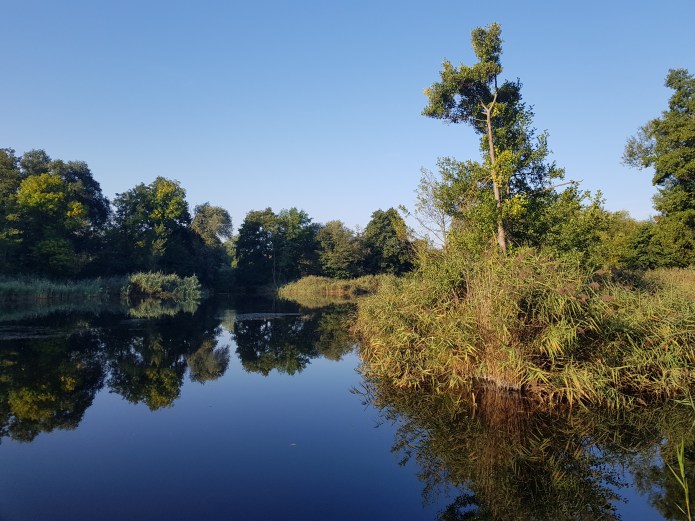
Early in the morning on the banks of the Havel

In September 2020 (during the unfortunate coronavirus period), we devoted ourselves to more nearby beauty, as traveling to other countries was very difficult these days. And so we also went on a canoe trip on the old Havel north of Berlin between Zehdenick and Mildenberg. And we also came to the conclusion that the nearby obvious is often overlooked because people only want to get to know the wide world around the whole globe. That’s a shame, when there are small paradises just around the corner here with us in the vast Mark Brandenburg.

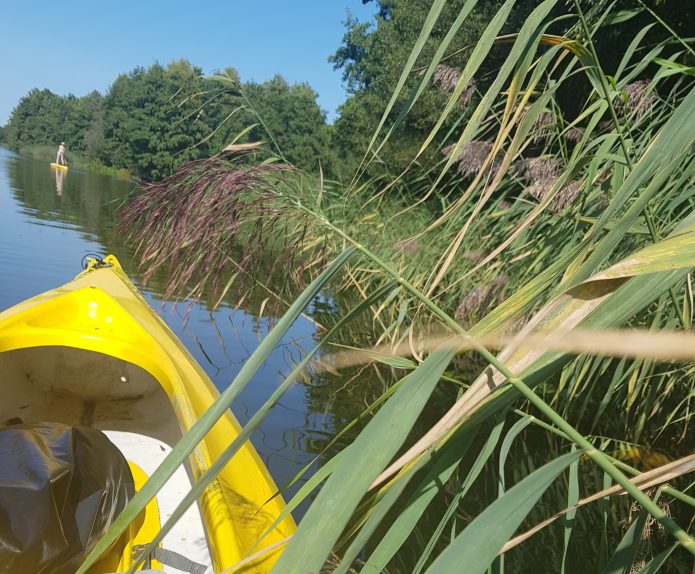
Feeling your way through a wild and overgrown side arm; my wife is at the top on her beloved SUP

The meandering main stream winds its way through an original countryside

The German writer Theodor Fontane can be regarded as a true forerunner of contemporary outdooring, as he spent three decades walking through Brandenburg in the 19th century, when it was not yet fashionable to do so, and wrote about it in his famous “Wanderungen durch die Mark Brandenburg” in a total of five volumes. And at that time this was generally still something rather crazy, because people usually went into the great outdoors only to collect wood, graze their cattle or simply just to hunt.

We are in flow at a wide point of the primordial current


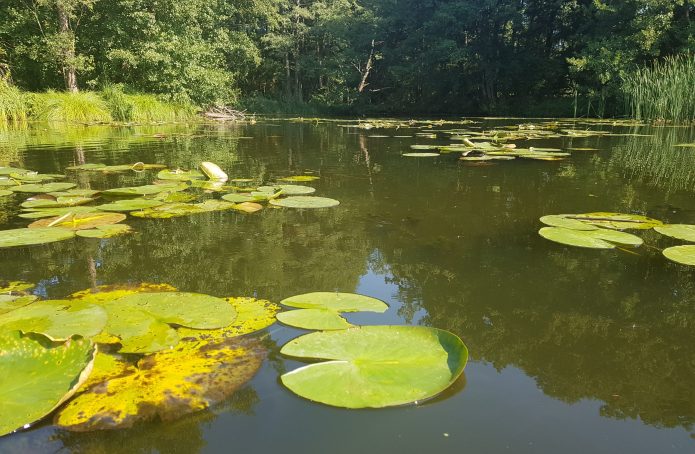
Water lilies also thrive here very well, an obvious sign of very clean water

And as you can see, the beautiful Havel here is once again a very pristine river, which was not always the case, as the area here was long dominated by the brick industry, which had to provide supplies for the rapidly growing Berlin not far away. And so there are really many clay pits in the area, but now these pits are only beautiful small lakes. But the renaturation of the Havel has been underway for many years now.

Dense shield belts everywhere along the natural river

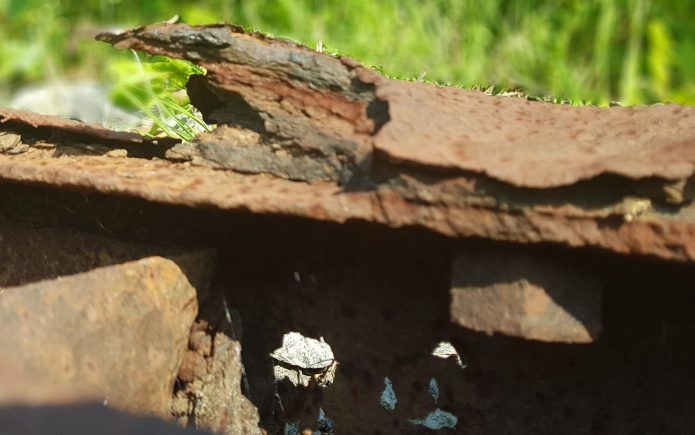
An old decaying technical construction by the wayside

The next stage of this major renaturation project of the Havel began in 2024. Over the next few years, 15 oxbow lakes along 90 kilometers of the Lower Havel between Plau and the mouth of the Elbe will be restored to flow. In addition, dykes will be dismantled and 71 revetments will be removed along 29 kilometers, alluvial forests will be created and much more. Of course, this will not happen so quickly and will be a complex process over the coming years. But these pictures here show clearly, it really is worth all the effort.

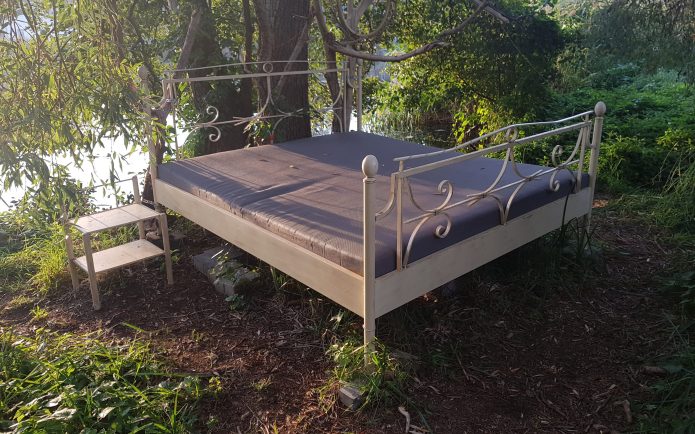
An illustrious resting place for the night was also hidden in the vast green jungle

And with these varied and colorful impressions, I wish everyone a wonderful summertime and vacation whereever it may be.

THE ETERNAL INFLATION

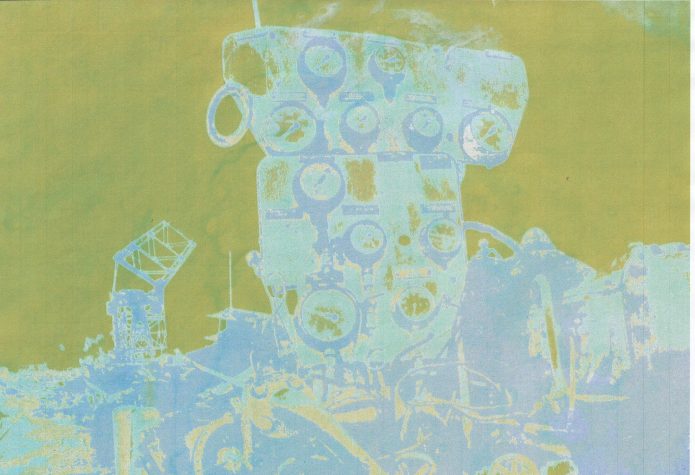
A great tornado knocks again at the unscrupulous door of our weird civilization after the great drought. This unstoppable ice-melting inflation points rigorously on the deep and fleshy abyss where the maniac xolotl-dogs are leading the whistling chorus of the first days. So when afterwards the final tsunami approaches irresistibly, billions of phantoms will scream once more the old imperialistic yelling of perpetual national growth because the vicious dogs had already ingraved their crucial signs of no-exit into the tarred and feathered walls.

The quite unstable planet earth rumbles like a hard-cooked crushing egg while the tornados strictly bend the dark forests on the unknown islands of the glowing red iron ocean where everything had begun during the era of restless vacuum-fires Some brave cosmonauts could already excape to the stellar constellation of the swan where they than had to sleep during endless nights in the crash-landed space craft wreck before simultaneously constructing the huge wheelwork of life again which shall semind the following to always seek the magic circulating maelstrom where the cliffs of our cosmos gaze into the labyrinths of space-time not far away in the next multiverse hidden in every moment.

AMBITIOUS TUNNEL LOOK-OUT

To be free as a bird right now, a fine thing indeed, to soar into the high skies on the way south across the Mediterranean, the Sahara and the Sahel to the dense jungle of the equator, a beautiful dream at the end of this tunnel, because the world could be viewed different from above and suddenly lose all the warlike moments of terror that too often hold us captive. But right now after a brilliant midsummer hurry out, onwards and upwards!

THE HEALING MUSEUM

In these hectic and in many ways unsettling times, Berlin’s Museum Island is currently an oasis of calm and relaxation at the Bode Museum which is actually hosting a project named “The Healing Museum” until further notice. This project combines mindfulness, medical research and art history; it is the result of a collaboration between the Experimental and Clinical Research Centre of Charité and the Bode Museum 

Medical studies show that visiting art museums reduces stress and anxiety and improves overall mental health. Looking at artworks and walking through museum spaces can be exhilarating because it helps us develop the skill of mindfulness. Now the Bode Museums offers you the opportunity to learn practical mindfulness exercises or to deepen your existing skills in this field.

A specially designed museum room is available for this purpose, which shows the interwoven meditation traditions of Buddhism, Islam, Christianity and Stoicism and traces their influence on the new mindfulness movement of the 21st century. A selection of inspiring meditations can be accessed free of charge via the audio guide, by mobile phone or via the website. A bench and cushions are available.

Address: Bode Museum, Am Kupfergraben, 10117 Berlin, right on the museum island.

COLORS OF BRUGES IN FLANDERS

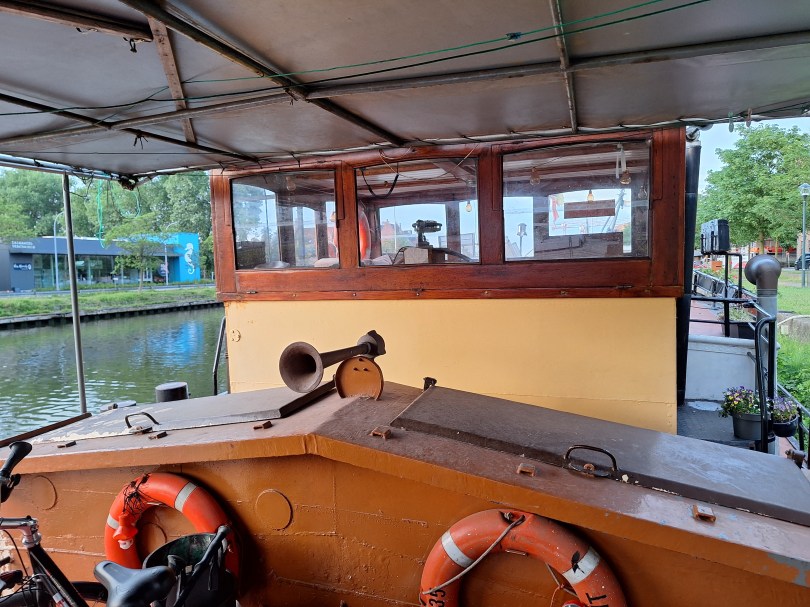
We are currently visiting friends in the old Flemish city of Bruges, where they live on a houseboat on the edge of the city centre. This is something completely different, the old cargo ship moored in the canal to Ostend is also very cosy and spacious.

It’s also not far to the old town, which is still completely medieval, and it’s fair to say that the entire old centre is a unique and impressive open-air museum that fortunately survived the last two world wars of the 20th century completely unscathed.

Now, in the still pre-season, it is not completely overcrowded and very pleasant.

CESKY KRUMLOV – BOHEMIAN HOME OF EGON SCHIELE AND MUCH MORE

Postcard with view on the castle of Cesky Krumlov, 1924

Hardly any other place inspired Egon Schiele as much as Krumlov, one of the most beautiful Renaissance towns in Europe and a first-class architectural jewel. Its beauty and location in the heart of the Southern Bohemian cultural landscape have always made this town a centre of attraction for painters and writers.

Old houses in one of the many winding alleys

Greened facade and entrance door in the centre

The winding, confusing ensemble of houses on the Vltava River looks like something out of a Grimm’s fairy tale. A magnificent castle towers over the old town centre with its humpbacked alleyways, squares, rippling fountains and churches. The Old Town is picturesquely surrounded by the Vltava river, which meanders wildly here in a rather primordial manner and attitude – a gesticulating nature at its finest.

Former Austrian Emperor hanging over the bar at Restaurant Schwejk

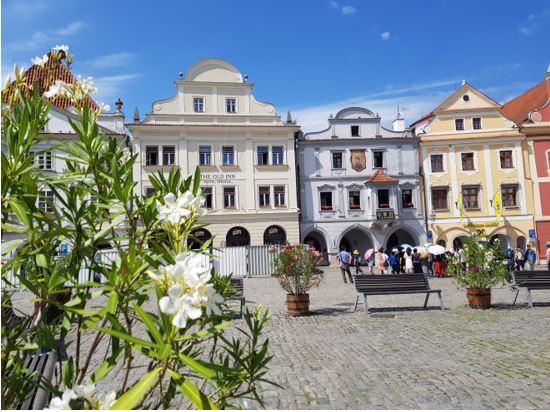
The finely restored market-place with charming flowers

We visited this enchanting place for the first time in the 1990s, when it still had more socialistic charm with many unrenovated houses. On the other hand, it was very tranquil and authentic, which is no longer the case today. In the high season, crowds of tourists push their way through the city, which is so popular with Chinese travellers in particular that a copy has been built in China in the city of Dongguan. A visit in the low season is therefore advisable.

Fashion outlook in a shop’s window

The lovely studio house of the Austrian painter Egon Schiele

The Austrian painter Egon Schiele was also enthusiastic about Krumlov, the birthplace and hometown of his mother, throughout his life; he had known the small town since his childhood from visits to relatives and also spent his holidays in Krumlov during his time at the academy. In May 1911, Schiele and his partner Wally Neuzil – a former model for Gustav Klimt – moved to Krumlov; they enthusiastically moved into the garden house of the art-loving merchant Max Tschunko, where Schiele was finally able to work outdoors. However, the idyllic hustle and bustle in the artist’s hermitage soon came to an end. The couple’s wild marriage and the fact that Schiele modelled for very young girls outraged the townspeople so much that he was forced to leave Krumlov again in August 1911: ‘I don’t want to think about Krumlov, I love the town so much, but the people don’t know what they’re doing.’


Egon Schiele, Krumau (Krumlov), oil on canvas, 1915

Despite the really too many tourists today, you still find very quiet and inspiring places in the city or optionally just make a surprising rafting tour on  Vitava river around the beautiful and impressive city. This is definitely a good way to round off a visit. 


ODD STONED COUNTRYSIDE


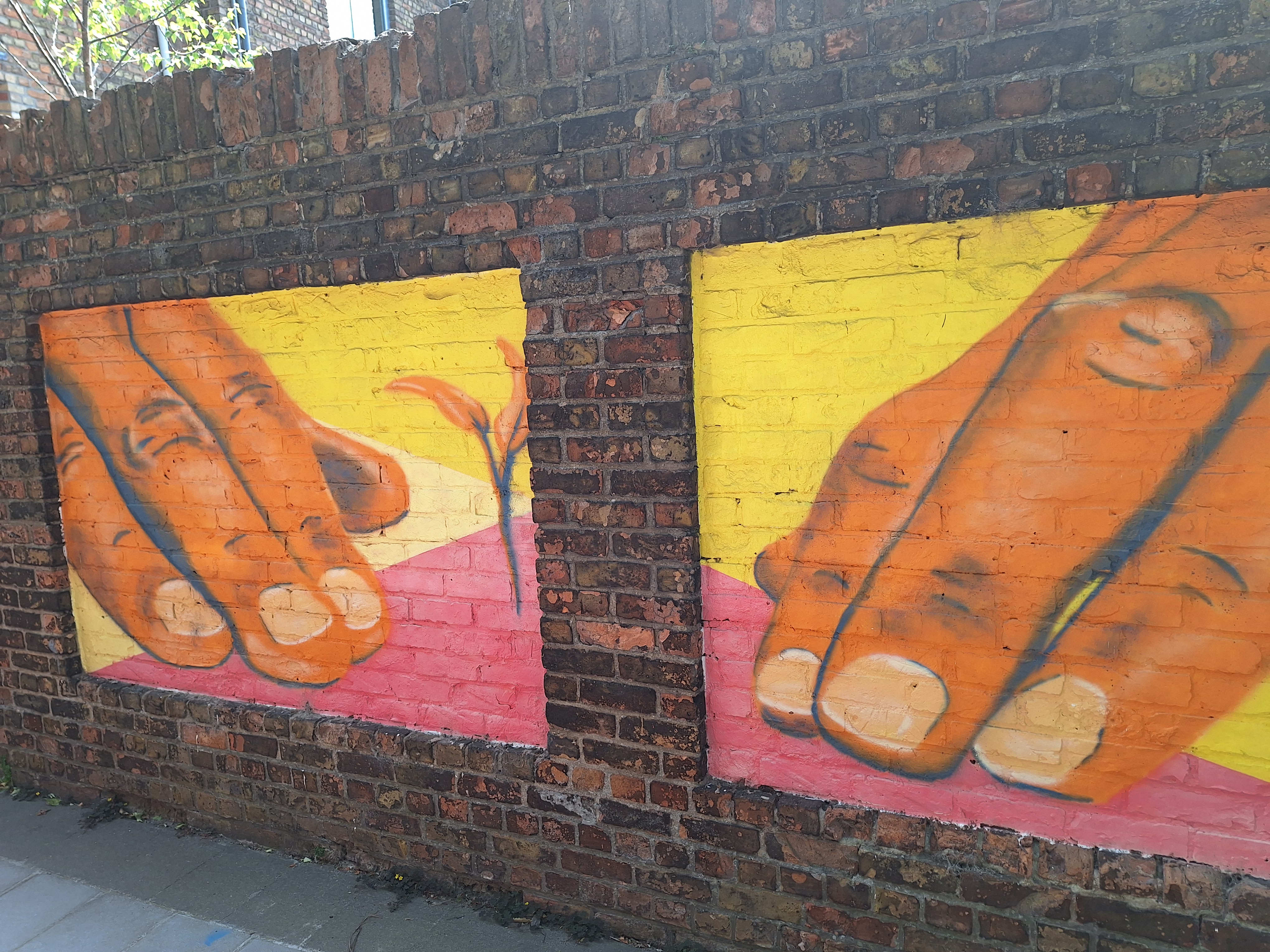
When entering a borderland of human civilization and natural wildness the own intentions and angles of view obviously do quickly change as more imminent primordial ambitions dominate the mind automatically.
Push the basical mental button in order to get beamed to a stoned landscape in the heart of a shadowy and nomadic countryside where colorful symbols have been recently pinned to transmutant walls as the only leading signs. A lost place of nowhere but anywhere to be found. The more surreal cracking walls and bursting floors are no safe place for resting or dreaming – better not to stay longer than required in this Interior of constant decay which reminds us insistingly of being cautious of where to go and what to do generally in life.


POST-INDUSTRIALISM / “ZECHE ZOLLVEREIN” IN ESSEN


The Ruhr area was once the heart of the German montan industry, where coal and steel determined people’s lives for a long time. Coal has been mined there for a long time, and the earth underground more resembles Emmental cheese, although nobody knows exactly where all the mine shafts are from which the coal was brought to light.

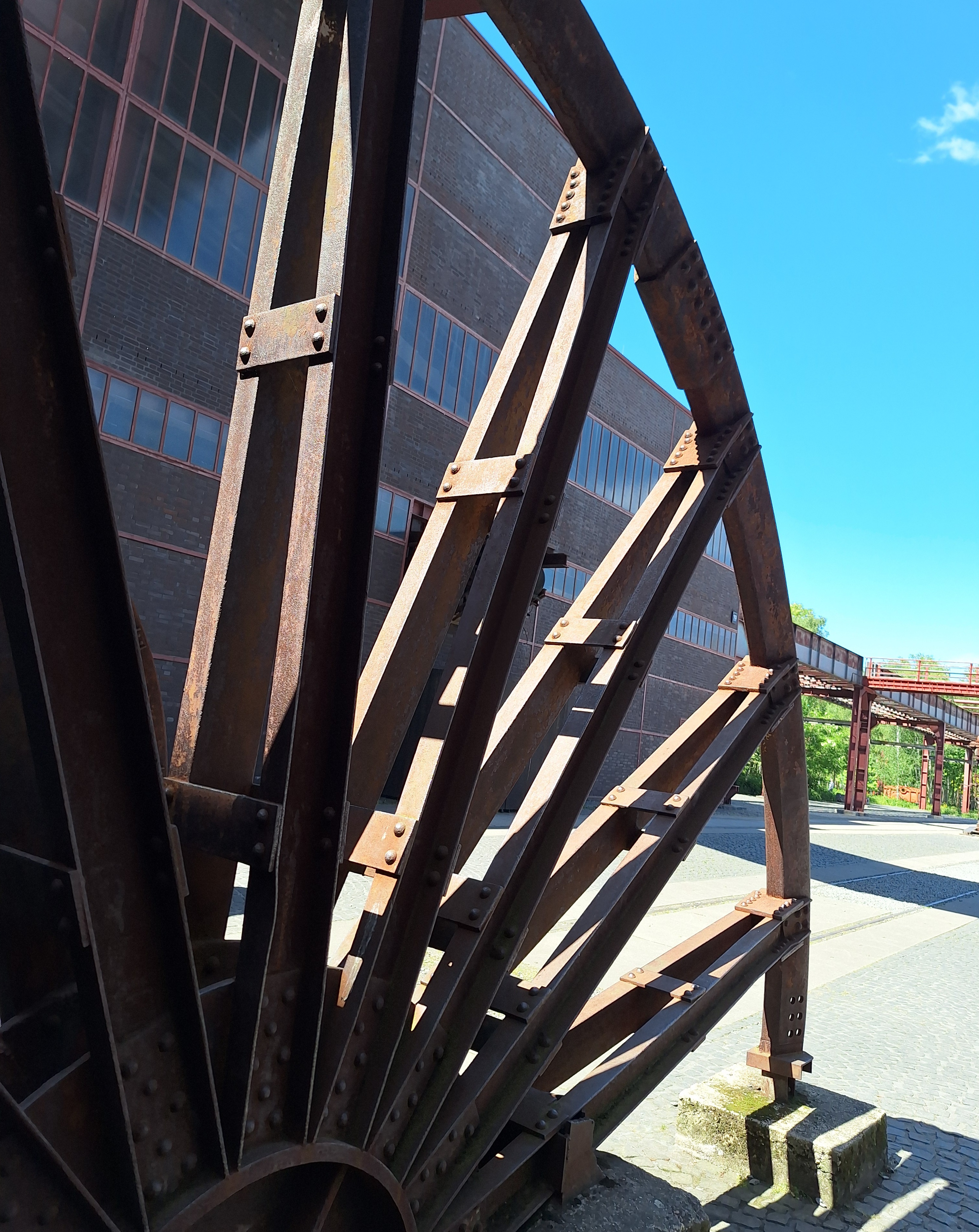
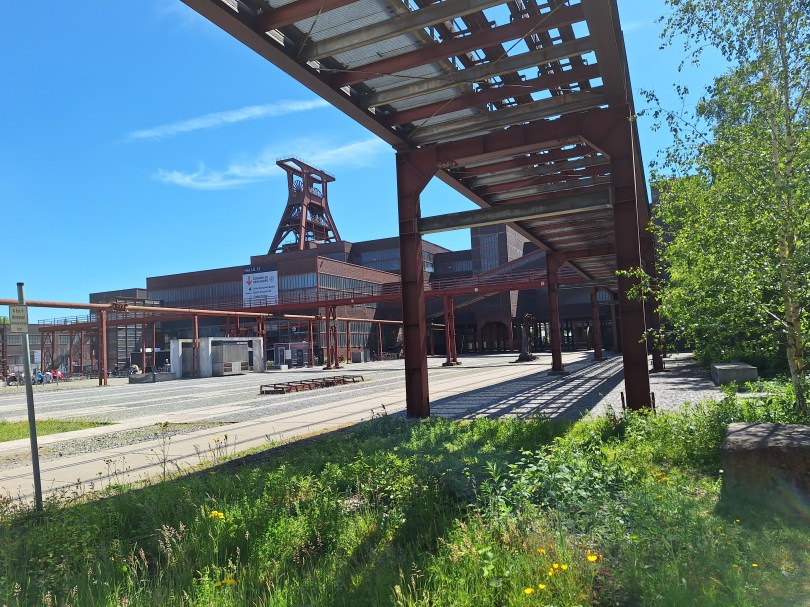
“Zeche Zollverein” (i. e. Zollverein colliery) was a coal mine in Essen that operated from 1851 to 1986. After the commissioning of the central winding shaft 12, the colliery had the highest production rates of all German coal mines for a time in the middle of the 20th century. Today it is an architectural and industrial monument. 

Together with the neighbouring coking plant, pits 12 and 1/2/8 of the colliery have been a UNESCO World Heritage Site since 2001 where various guided tours are also offered underground, but you can also simply stroll around the extensive site, where there are also many seating areas in almost green surroundings, where coal trains will pass by only in your mind’s eye.

Today the Ruhr area is really very green everywhere, the air is relatively clean again, and the rivers are no longer cesspools as they were in the 19th century, when the quick money of black gold and steel lured the Krupp family of entrepreneurs to Essen and provided them with a stately home with a huge park that makes you think more of the castles of English lords. This so-called ‘Villa Hügel’ is however now freely accessible to everyone as a place of culture and art.

How times change!